
Dry Eye Treatment in Santa Monica
If artificial tears have not brought lasting relief, there is more we can do. Our dry eye center pairs careful diagnosis with advanced technology, including FDA-approved Lumenis OptiLight, to address the root causes of dry eye, not just the symptoms.
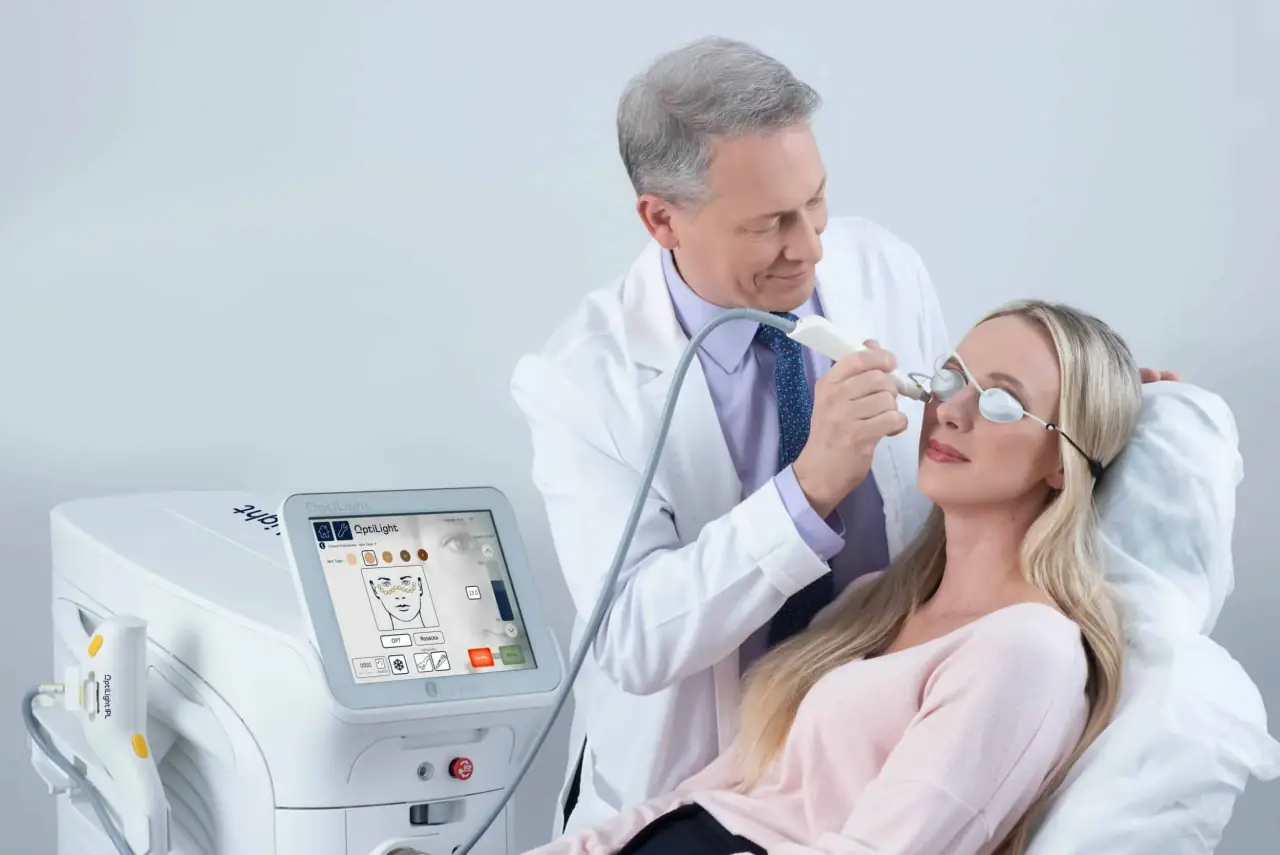
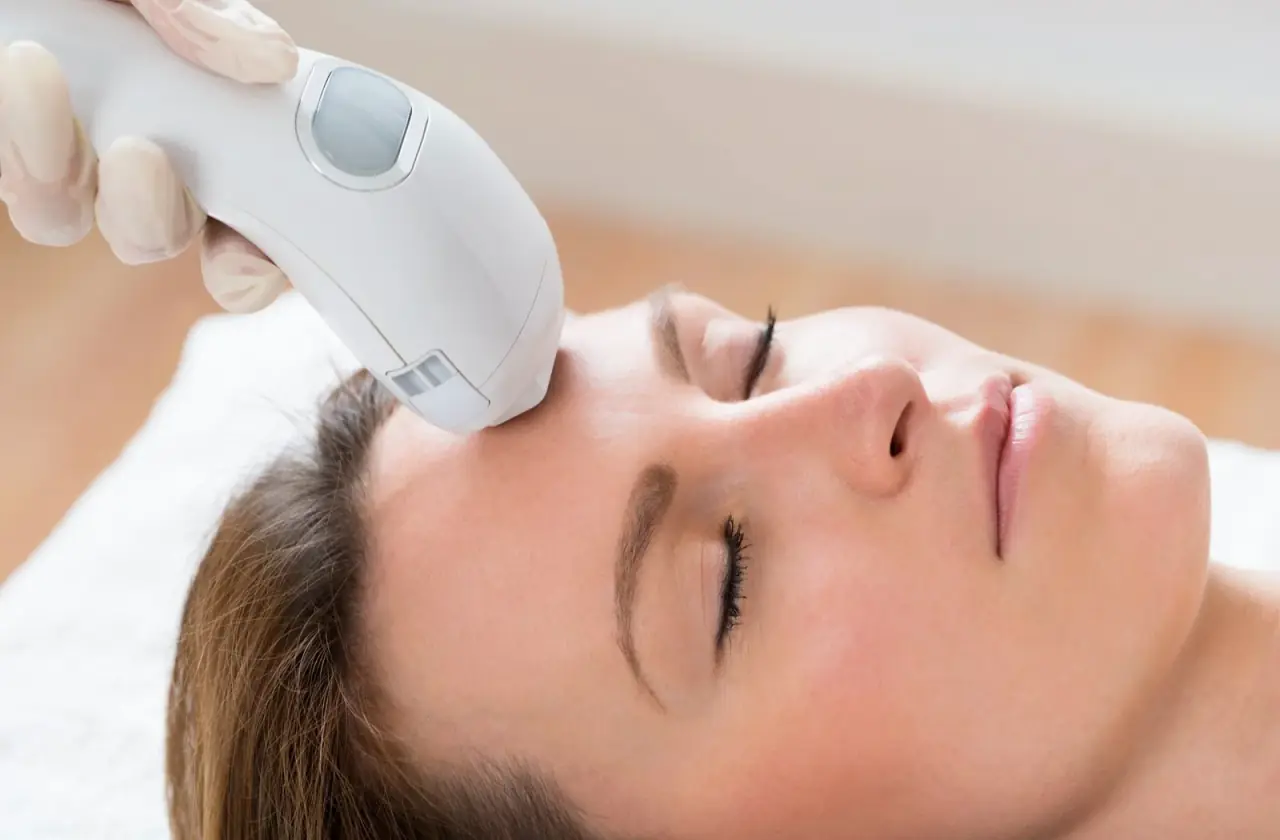
OptiLight IPL
Lumenis OptiLight IPL in Santa Monica, the first FDA-approved intense pulsed light treatment for dry eye due to meibomian gland dysfunction, at Sunny Optometry.
Learn moreTempSure Envi
TempSure Envi radiofrequency for dry eye in Santa Monica. Sunny Optometry uses gentle, noninvasive warmth to support meibomian gland function and tear film.
Learn moreLLLT
Low level light therapy (LLLT) for dry eye in Santa Monica. A soothing, noninvasive treatment at Sunny Optometry that supports eyelid and gland health.
Learn more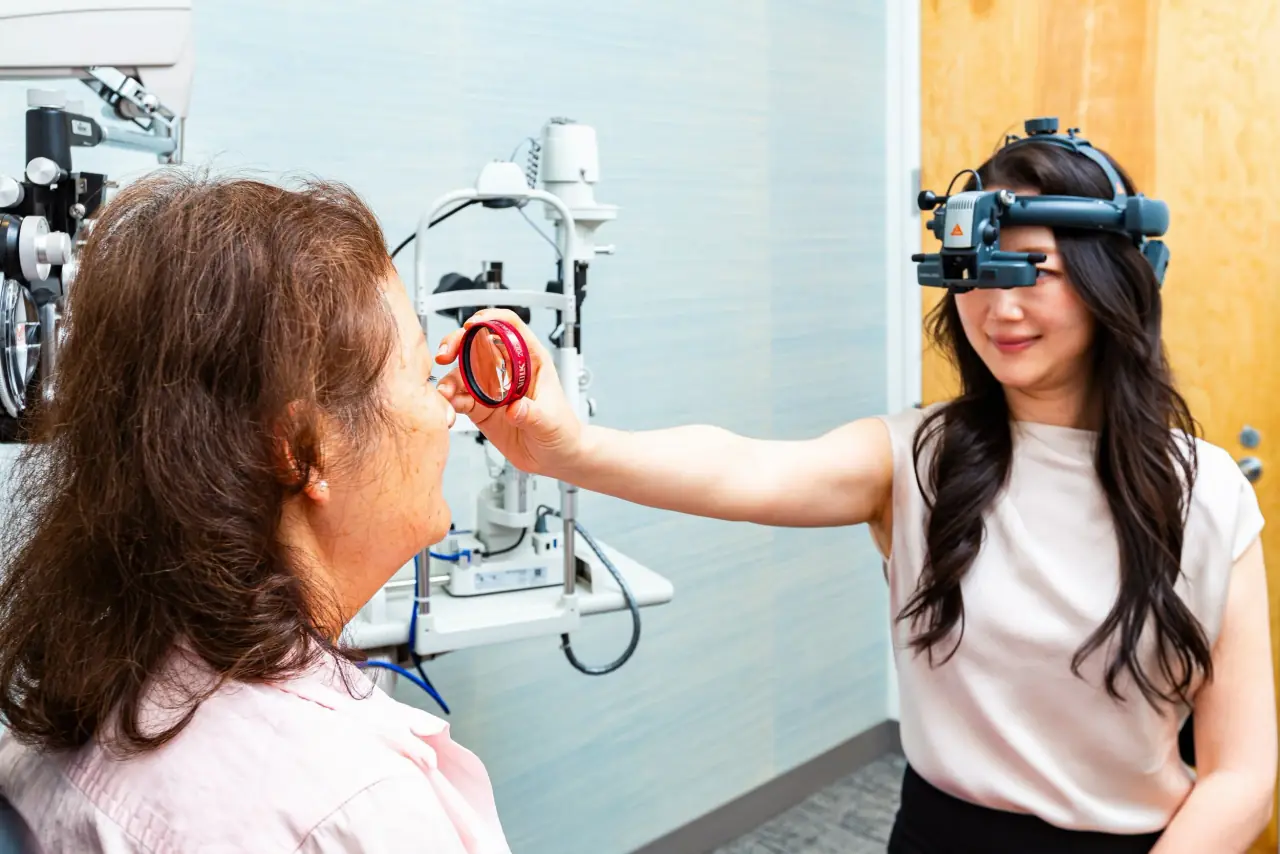
Lash Zest
Lash Zest microblepharoexfoliation in Santa Monica. Sunny Optometry deep cleans the eyelid margins to address blepharitis, demodex and dry eye at the source.
Learn moreMeibography
Meibography in Santa Monica: a quick, comfortable infrared scan at Sunny Optometry that images your meibomian glands and guides personalized dry eye care.
Learn morePunctal plugs
Punctal plugs in Santa Monica: tiny, comfortable devices placed in the tear ducts at Sunny Optometry to keep natural tears on the eye and relieve dry eye.
Learn more
What is dry eye?
Dry eye disease happens when your eyes cannot maintain a healthy tear layer. Your tears are a carefully balanced blend of water, oil and mucin produced by glands in and around the eyelids. Together they hydrate and protect the surface of the eye, keep vision clear, and help guard against infection.
When the eye does not make enough tears, makes tears of poor quality, or loses them to evaporation too quickly, the surface of the eye becomes stressed and inflamed. That inflammation can make the tear film even less stable, creating a cycle that tends to worsen without treatment.
Most dry eye is evaporative, driven by meibomian gland dysfunction. The meibomian glands line the edges of your eyelids and produce the oil layer that keeps tears from evaporating. When those glands become blocked or the oil thickens, tears break up quickly and the eyes dry out.
Symptoms of dry eye
Dry eye does not always feel dry. Many patients are surprised to learn that watery eyes are a classic sign, as the eye floods with reflex tears that lack the oil needed to stay put. Common symptoms include:
- Redness and irritation
- Burning, stinging or scratching sensations
- A gritty feeling, as if something is in the eye
- Watery eyes
- Blurry or fluctuating vision that clears with blinking
- Light sensitivity
- Tired eyes, especially after screen time or reading
- Contact lens discomfort or reduced wearing time
Benefits of treating dry eye
Dry eye is more than an annoyance. It can make it harder to work at a screen, read, drive at night or enjoy contact lenses, and an unhealthy ocular surface can affect the accuracy of measurements for glasses and surgery.
Treatment that addresses the cause can bring more comfortable, stable vision and less dependence on drops through the day. By improving meibomian gland function and calming inflammation, we aim for relief that lasts.
Early care also protects the glands themselves. Meibomian glands that stay blocked for long periods can shrink and stop producing oil, so addressing dysfunction sooner gives you the best chance of preserving healthy glands for years to come.
What causes dry eye?
Dry eye usually has more than one contributor, which is why a personalized approach matters. Common factors include:
- Meibomian gland dysfunction and blepharitis
- Age and hormonal changes
- Long hours of screen use, which reduces blinking
- Contact lens wear
- Medications such as antihistamines, antidepressants and some blood pressure medicines
- Health conditions including rosacea, thyroid disease and autoimmune conditions
- Environmental factors such as wind, sun, air conditioning and low humidity
- Demodex mites on the lashes and lids
- Previous eye surgery, including LASIK
What to expect at your dry eye consultation
Every treatment plan starts with understanding your eyes. During a dedicated dry eye consultation, your doctor will talk with you about your symptoms, medications, skincare, diet, health history, work habits and environment, then examine your eyelids, tear film and ocular surface in detail.
Meibography, an infrared scan of the meibomian glands, lets us see the structure of your oil glands and measure the stability of your tear film. Together, these findings allow us to identify the type of dry eye you have and recommend a personalized protocol that combines at-home care with in-office treatment.
Our goal is for you to leave with a clear understanding of what is driving your dry eye and a plan designed to bring lasting relief.
Follow-up visits are part of the plan. As treatment progresses, we reassess your symptoms, tear film and glands, and adjust your protocol so it keeps working for you.
Treatment options
Your plan is built around your diagnosis and may include one or more of the following:
Most patients do best with a combination: in-office procedures that treat the glands and lids directly, supported by a simple daily routine at home. We will explain why each step is recommended and how the pieces fit together.
- Lumenis OptiLight IPL to reduce inflammation and improve oil gland function
- TempSure Envi radiofrequency to gently warm the eyelids and support oil flow
- Low level light therapy (LLLT) to soothe the lids and glands
- Lash Zest microblepharoexfoliation to clean the lid margins and address blepharitis and demodex
- Meibomian gland expression to clear blocked glands
- Punctal plugs to help retain natural tears
- Prokera, a biological amniotic membrane that promotes healing and reduces inflammation
- Scleral contact lenses that bathe the cornea in moisture
- Prescription medications to reduce inflammation and increase tear production
- At-home care: lubricants, warm masks, lid sprays and nutritional supplements
Our technology
We have invested in advanced technology chosen for its effectiveness in treating dry eye. Lumenis OptiLight is the first and only FDA-approved intense pulsed light treatment for dry eye disease due to meibomian gland dysfunction. A typical course is four sessions spaced two to four weeks apart, and some patients notice improvement after the first.
TempSure Envi uses gentle radiofrequency energy to warm the eyelid area, helping soften thickened oils. Low level light therapy offers a calming, comfortable treatment for the lids. Lash Zest cleans the eyelid margins to remove debris and biofilm. Meibography images the glands themselves, so we can track changes over time and tailor treatment precisely.
Because TempSure Envi is suitable for all skin types and levels of sun exposure, it offers an effective path for patients who are not candidates for IPL. Having several technologies under one roof means your plan is shaped by your eyes, not by the limits of a single device.
Why choose Sunny Optometry
Since 1985, Sunny Optometry has cared for the Santa Monica community as an independent, locally owned practice. Our glaucoma-certified therapeutic optometrists treat dry eye as the chronic medical condition it is, with the time and attention it deserves.
We follow up closely, adjust your plan as your eyes respond, and coordinate dry eye care with your contact lenses, eyewear and any planned eye surgery, so every part of your vision works together.
And because our practice includes a full eyewear boutique, we can help with the details that make daily life more comfortable, from contact lenses better suited to dry eyes to computer lenses and sunglasses that shield against wind and glare on the coast.
Questions, answered
I already use eye drops. Why are my eyes still dry?
Artificial tears add moisture, but they do not fix the underlying cause, which is often blocked or inflamed meibomian glands. In-office treatments address the glands directly.
Can dry eye cause watery eyes?
Yes. When the tear film is unstable, the eye produces reflex tears that lack the oil needed to stay on the surface. Watery eyes are a common symptom of dry eye.
How long is a dry eye consultation?
Allow about an hour so your doctor can review your history, perform testing including meibography, and talk through a personalized plan.
How many OptiLight treatments will I need?
A typical course is four sessions spaced two to four weeks apart, with maintenance treatments as recommended by your doctor.
Can dry eye be cured?
Dry eye is usually a chronic condition, but with the right treatment most patients can achieve meaningful, lasting relief. Ongoing care helps keep symptoms under control.
Can I keep wearing contact lenses if I have dry eye?
Often, yes. Treating the ocular surface, switching to daily disposable lenses, or moving to scleral lenses can help many patients wear contacts comfortably again.
Are dry eye treatments covered by insurance?
Coverage varies. Some diagnostic services may be covered, while many advanced in-office treatments are not. FSA and HSA funds can often be used, and our team will review costs with you before treatment.